
BEWARE: How Hackers Are Exploiting Seed Phrases to Swipe Your Coins
The Hidden Danger of Seed Phrase Scams and How Hackers Are Exploiting Social Media to Steal Your Crypto

Introduction: A Growing Threat in the Crypto World
Cryptocurrency has revolutionized finance, offering decentralized, borderless transactions and new opportunities for wealth creation. However, its rise has also attracted a surge in sophisticated scams. Among the most insidious are seed phrase thefts , where hackers exploit social media platforms, forums, and messaging apps to trick users into handing over control of their digital wallets. These scams are not only financially devastating but also emotionally traumatic, leaving victims feeling violated and powerless.
A recent report from a Wise Wolf Financial reader—whom we’ll refer to as “John Doe” for privacy—highlights the alarming tactics used by cybercriminals. John, a cryptocurrency enthusiast who runs an educational channel, shared a disturbing encounter with a scammer on his platform. His experience serves as a stark warning to all crypto holders: scammers are leveraging trust, curiosity, and malware to steal digital assets.
John’s story is not unique. According to the Federal Trade Commission (FTC), losses from cryptocurrency scams surged to $1 billion in 2023 , with seed phrase thefts accounting for a significant portion of those losses. As hackers refine their methods, understanding the mechanics of these scams—and how to protect yourself—is more critical than ever.
What Is a Seed Phrase Scam?
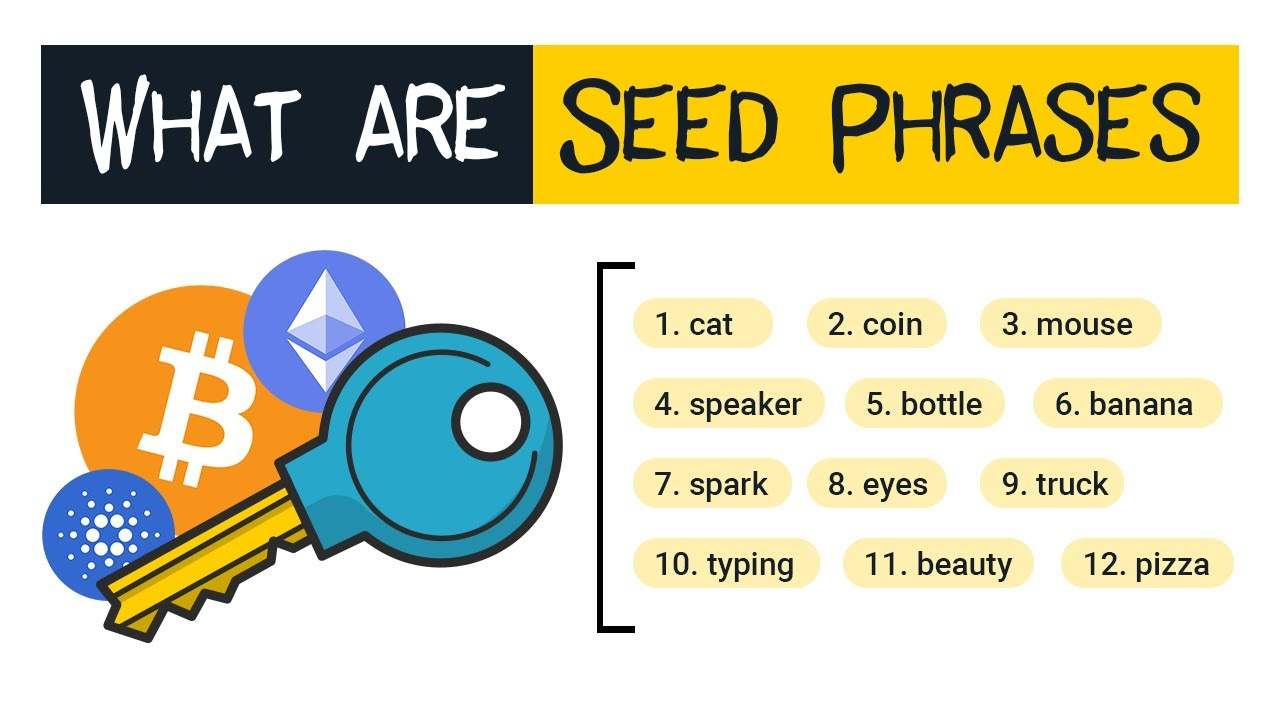
At the heart of every cryptocurrency wallet lies a seed phrase , a set of 12–24 words generated during wallet setup. This phrase acts as a master key, allowing users to recover access to their funds if they lose their device or password. However, if a hacker obtains your seed phrase, they can instantly drain your wallet, bypassing all other security measures.
Seed phrase scams typically follow a three-part playbook:
Social Engineering : Scammers pose as victims, posting fake seed phrases on platforms like Reddit, Discord, or Telegram. They claim to have “lost access” to their wallet and beg for help recovering funds.
Malware Deployment : Unsuspecting users (like John) engage with the post, thinking they’re helping someone recover their funds. Scammers then trick them into downloading malicious software—fake wallet apps, recovery tools, or phishing links—that installs hidden wallets or steals seed phrases from their devices.
Persistence and Theft : Advanced malware often includes mechanisms to survive reboots or deletions, such as startup scripts or registry edits. Once installed, it can monitor clipboard data, steal login credentials, or even turn the victim’s device into a “money mule” to launder stolen assets.
The Case of “John Doe”: A Cautionary Tale
John’s ordeal began when a user posted a seed phrase on his Youtube Channel, claiming they’d accidentally deleted their wallet and needed help recovering $5,000 worth of USDT. Intrigued and wanting to assist, John engaged with the post. Within hours, he noticed something strange: a suspicious wallet had been installed on his computer without his consent.
When John tried to delete the wallet, it reinstalled itself automatically. He soon discovered that the wallet contained thousands of dollars in cryptocurrency—funds that weren’t his. Over the next 24 hours, he watched in horror as the wallet began moving funds to unknown addresses. The malware had turned his computer into a tool for money laundering, using his system to obscure the trail of stolen assets.
John’s experience is a textbook example of how these scams operate. By posing as a victim in need, the scammer baited him into interacting with malicious content. Once John’s system was compromised, the malware leveraged his device to facilitate further attacks, all while hiding its presence through persistent scripts.
The Anatomy of a Seed Phrase Scam
1. Social Engineering Tactics: Exploiting Trust and Empathy
Scammers prey on two universal human traits: curiosity and empathy . They craft urgent, emotionally charged stories to lower victims’ guard, such as:
“I accidentally deleted my wallet—please help me recover my ETH!”
“I’ll give you 20% if you help me move these funds!”
“My grandma’s in the hospital—need to cash out fast. Can anyone assist?”
These narratives are designed to trigger a helpful response. Once a user engages, the scammer pivots to technical manipulation, often within minutes.
2. Malware Delivery: The Invisible Threat
Scammers deploy malware through a variety of vectors:
Fake Wallet Software : Downloads disguised as “recovery tools” or “wallet managers” that install hidden wallets or keyloggers.
Phishing Links : Redirect users to malicious sites mimicking legitimate wallets (e.g., MetaMask, Trust Wallet). These sites capture seed phrases or login credentials.
Browser Extensions : Inject scripts to steal clipboard data, swapping wallet addresses during transactions (e.g., replacing your Bitcoin address with the scammer’s during a copy-paste).
Trojanized Apps : Legitimate apps repackaged with malware, often distributed through third-party app stores or torrent sites.
3. Persistence and Control: The Ghost in the Machine
Advanced malware often includes persistence mechanisms to survive reboots or deletions:
Startup Scripts : Malware adds itself to system startup folders, ensuring it runs every time the device boots.
Registry Edits : Modifies Windows settings to reinstall the program automatically.
Rootkits : Hides malicious processes deep within the operating system, making detection nearly impossible without specialized tools.
Once installed, the malware can perform a range of malicious activities, including:
Clipboard Hijacking : Swapping cryptocurrency addresses during transactions.
Remote Access : Allowing hackers to control the device and monitor keystrokes.
Wallet Theft : Stealing private keys and seed phrases stored in browsers or software wallets.
How to Protect Yourself: A Comprehensive Guide
1. Immediate Action Steps
If you suspect you’ve been targeted:
Disconnect from the Internet : Prevent further data exfiltration by unplugging your device or disabling Wi-Fi.
Run a Full System Scan : Use trusted antivirus tools like Malwarebytes or Kaspersky to detect and remove malware.
Check for Suspicious Processes : Open Task Manager (Ctrl+Shift+Esc) and look for unknown programs or high CPU usage from unfamiliar processes.
Clear Browser Data : Delete cookies, cache, and extensions to eliminate injected scripts. Focus on browsers like Chrome or Firefox, which are common targets for wallet-related malware.
2. Secure Your Crypto Funds
Never Share Seed Phrases : Legitimate companies never ask for them . Delete anyone who requests yours.
Transfer Funds to a New Wallet : Move assets to a hardware wallet (e.g., Ledger, Trezor) or a fresh software wallet. Never reuse wallets suspected of compromise.
Enable 2FA : Use hardware keys (YubiKey) or authenticator apps (Google Authenticator) for exchanges and wallet accounts. Avoid SMS-based 2FA, which is vulnerable to SIM-swapping attacks.
Audit Transaction Histories : Regularly check blockchain explorers (e.g., Etherscan, Blockchair) for unauthorized activity.
3. Prevention Tips
Verify Links : Hover over URLs to check legitimacy before clicking. Look for subtle misspellings (e.g., “metamask.io” vs. “metamaskk.io”).
Use Hardware Wallets : Store funds offline to prevent remote theft. Hardware wallets are immune to most malware attacks.
Stay Updated : Patch your OS, antivirus, and apps to close vulnerabilities. Enable automatic updates where possible.
Educate Yourself and Others : Share knowledge about seed phrase scams within your community. Awareness is the first line of defense.
4. Legal and Reporting Steps
If you’ve been scammed:
File a Police Report : Document the incident for legal recourse. Provide screenshots, transaction IDs, and wallet addresses.
Report to the FTC : Submit a complaint at ReportFraud.ftc.gov .
Notify Crypto Platforms : Alert exchanges (e.g., Binance, Coinbase) if your account was compromised.
Warn Your Community : Share your story to prevent others from falling victim.
Expert Insights: What the Pros Say
Cybersecurity experts emphasize that seed phrase scams are a symptom of a broader issue: the human element in security . “Users often underestimate the value of their seed phrases,” says Dr. Emily Zhang, a blockchain security researcher at MIT. “They treat them like passwords, not realizing they’re the ultimate key to their wealth.”
Zhang recommends a layered approach to security:
Technical Safeguards : Use hardware wallets and enable 2FA.
Behavioral Changes : Avoid engaging with unsolicited requests for help.
Community Vigilance : Report suspicious posts on social media and forums.
Meanwhile, law enforcement agencies are stepping up efforts to combat crypto fraud. The FBI’s recently launched Virtual Asset Exploitation Unit focuses on tracking down scammers and recovering stolen funds. However, experts caution that prevention remains the best strategy.
Conclusion: Guard Your Seed Phrase Like Your Life Depends on It
John’s story is a chilling reminder of the stakes involved in crypto security. Seed phrase scams are not just technical threats—they’re psychological traps designed to exploit trust and goodwill. By understanding these tactics and taking proactive steps, you can protect yourself and others.
Your seed phrase is a master key to your wealth. Guard it with your life—and never share it, no matter how urgent the request seems. Stay informed, stay vigilant, and remember: in the world of crypto, knowledge is your greatest asset.
Have questions or need help securing your crypto? Reach out to us at Wise Wolf Financial for guidance.
FAQ: Common Questions About Seed Phrase Scams
Q: Can hackers steal my seed phrase from a hardware wallet?
A: Hardware wallets are designed to be air-gapped (offline) and are highly secure. However, scammers may attempt to trick users into revealing their seed phrases through phishing or fake support calls. Always verify the authenticity of requests.Q: What should I do if I accidentally shared my seed phrase?
A: Immediately transfer your funds to a new wallet. If you can’t act quickly, contact a blockchain security firm or law enforcement for assistance.Q: Are mobile wallets safe from seed phrase scams?
A: Mobile wallets like Trust Wallet or MetaMask can be vulnerable if your device is compromised. Use strong passwords, enable biometric authentication, and avoid downloading apps from unofficial stores.Q: How can I spot a fake wallet recovery service?
A: Legitimate services never ask for your seed phrase. If a website or individual requests it, it’s a scam. Always verify URLs and avoid clicking unsolicited links.
This article is for informational purposes only and should not be considered financial or legal advice. Always consult a qualified professional for security concerns.


