



When I was a kid and my family first got cable, I fell hard for biblical documentaries on A&E and the History Channel. This was back when educational television meant actual education, not reality show garbage or Ancient Aliens conspiracy nonsense. These channels used to respect their audience’s intelligence instead of treating viewers like braindead cattle. Mysteries of the Bible was my favorite show, and this article is my attempt at recapturing that magic with a deep dive into a topic almost nobody talks about. I hope you enjoy reading this as much as I enjoyed researching it.
In 1947, Bedouin shepherds found scrolls in caves near the Dead Sea. Among them were three texts that, when read together, describe something impossible: the death, resurrection, and second coming of Jesus Christ, all written at least a century before he was born.
This wasn’t metaphorical or symbolic, but literally the same story. A Teacher who establishes a new covenant and dies. A Messiah who is both pierced and piercing. A seven-stage apocalyptic war where the Messiah leads an army of light against the forces of darkness until God intervenes in the final round and destroys evil forever.
Christians call this the Gospel and the Book of Revelation. The Qumran community called it the Damascus Document, fragment 4Q285, and the War Scroll. The narrative was identical, just with different names, written 700 years apart.
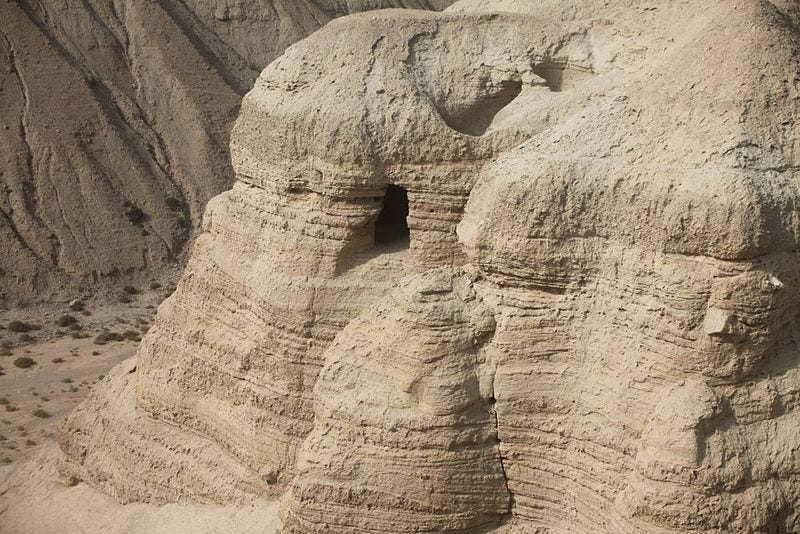
The question isn’t whether they’re similar. The question is how a community of Jewish ascetics hiding in desert caves managed to write the New Testament before the New Testament existed.
WHO WERE THESE PEOPLE
Around 150 BCE, a group of Jews looked at the Temple in Jerusalem and decided it was beyond saving. The priesthood was corrupt, the rituals were polluted, and the whole system had rotted from the inside. They walked into the Judean wilderness, found caves near the Dead Sea, and built a compound at a place called Qumran.
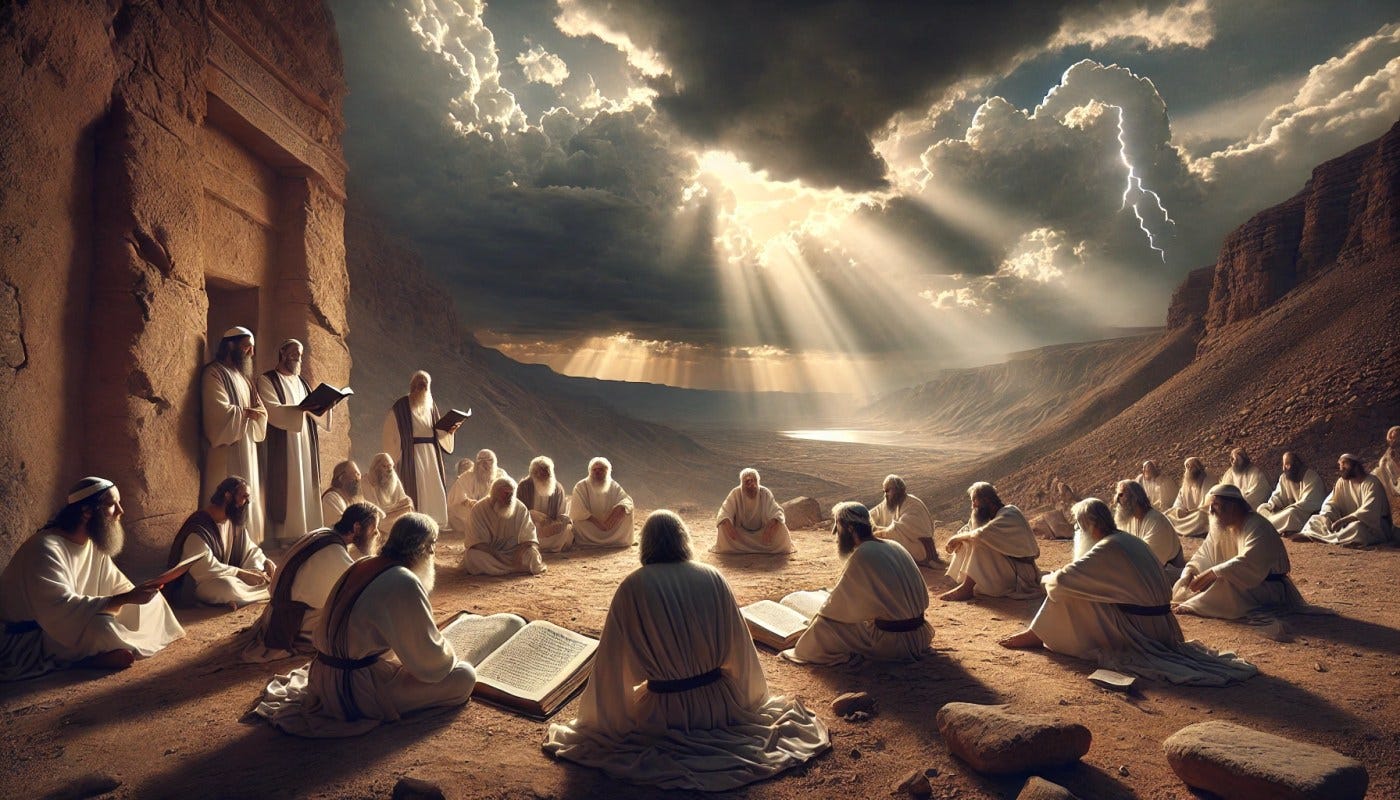
History knows them as the Essenes, one of the three major Jewish sects in the Second Temple period, alongside the Pharisees and Sadducees. But unlike those groups who stayed engaged with Temple politics, the Essenes rejected the whole system. They believed the corruption ran so deep that the only option was to withdraw completely and wait for God to burn it all down and start over.
They weren’t running away but preparing themselves for war, for the end of the world, for the moment when God would finally intervene in history and settle accounts with evil.
These weren’t mystics having vague spiritual experiences but calculators who studied the prophets like engineers study blueprints. Daniel said seventy weeks of years until the end. Jeremiah said seventy years of desolation. They did the math, knew when it would happen, and prepared the faithful remnant who would survive and fight in it.
They wrote manuals, battle plans, prophecies, and purity codes for everything you’d need to fight in and survive the apocalypse. They stored these texts in clay jars and hid them in caves. In 68 CE, the Roman army showed up and killed most of them. The scrolls stayed hidden until 1947 when a shepherd boy threw a rock into Cave 1 and heard pottery break.
ACT ONE: THE TEACHER WHO DIES
The Damascus Document tells the origin story of this community in coded language, like everything they produced, but the outline is clear. During an “era of wrath,” 390 years after Babylon destroyed Jerusalem, God caused “a root” to sprout from Israel. These people wandered in darkness for twenty years until God raised up a Teacher of Righteousness to guide them.
This Teacher revealed the hidden meanings in Scripture and established a “new covenant” with his followers. He made enemies along the way, including a Wicked Priest who opposed him and a Man of Lies who led people astray. The texts suggest he was killed, using the phrase “gathered in,” which is Hebrew funeral language.
Then comes the timeline that changes everything. “From the day of the gathering in of the Teacher until the end of all the men of war who deserted to the Liar there shall pass about forty years.”
The pattern runs from the Teacher’s death to the apocalypse in exactly forty years. A righteous teacher appears, establishes truth, dies, then forty years later God shows up and ends everything.
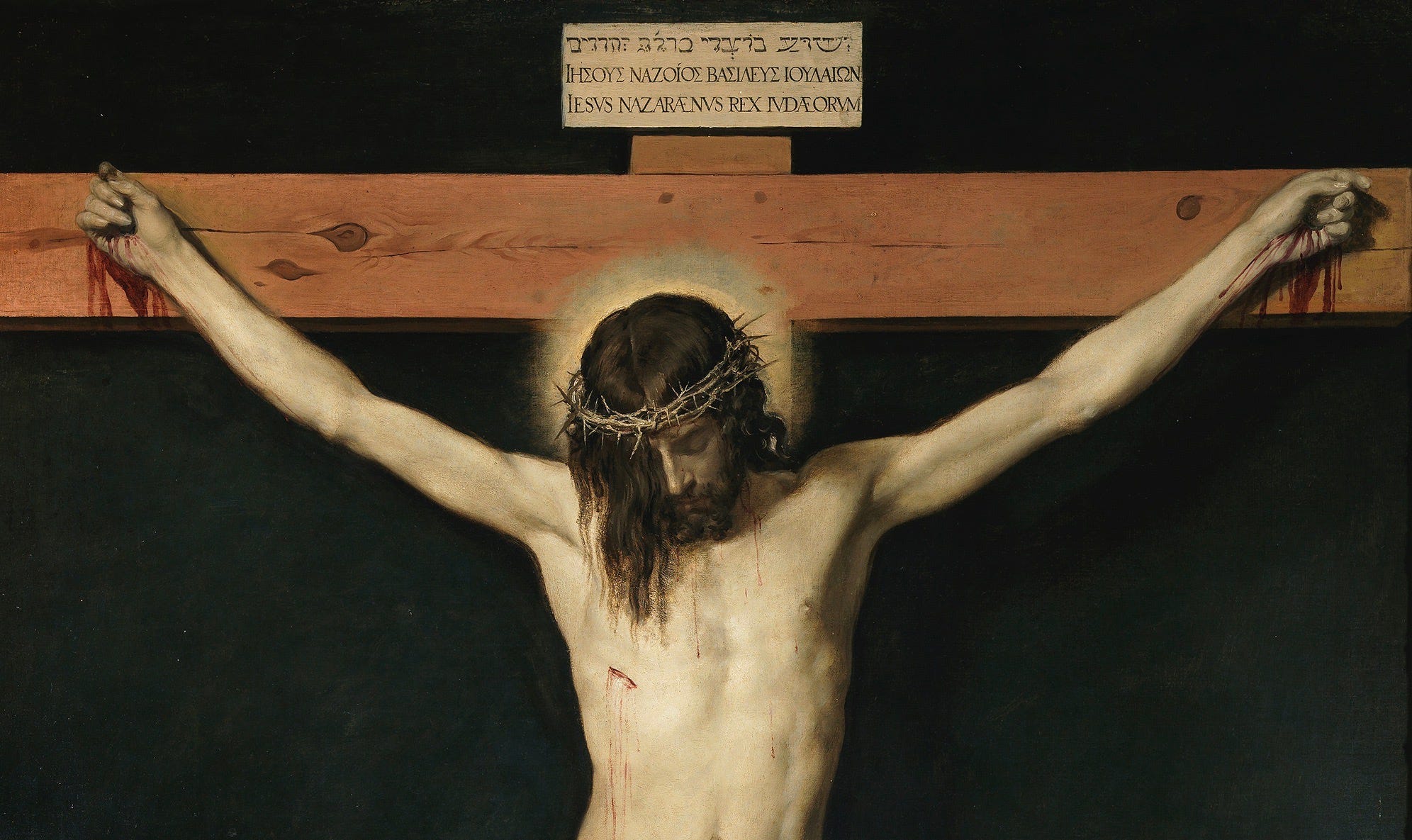
Now count forward from Christ’s crucifixion around 30 CE, and forty years brings you to 70 CE. That’s when Rome destroyed Jerusalem and burned the Temple, when the age ended and Judaism shattered into pieces. Everything changed right on schedule, exactly forty years later.
But that’s just Act One, where the Teacher dies to prepare the way for someone greater who doesn’t just teach about the kingdom but actually brings it.
ACT TWO: THE MESSIAH WHO DIES AND CONQUERS
Fragment 4Q285 is six lines of damaged Hebrew that quotes Isaiah 11 about “the shoot from the stump of Jesse,” meaning a descendant of King David who would be the Messiah. Then it uses a word that can be read two opposite ways depending on which vowels you supply.
“And they killed the Prince of the Congregation, the Branch of David,” or alternatively, “And the Prince of the Congregation, the Branch of David, killed him.”
The Messiah either gets killed or does the killing, making him either victim or victor. Both readings are grammatically valid, and scholars have fought over this since 1991.
But what if the ambiguity is the answer, and what if both readings are true?
Isaiah 53 describes a suffering servant who is “pierced for our transgressions” and “crushed for our iniquities,” led like a lamb to slaughter to die for the sins of others. This doesn’t sound like a military victory but rather sounds like a crucifixion.
But Isaiah 11 describes a king from David’s line who “strikes the earth with the rod of his mouth” and “slays the wicked with the breath of his lips,” which doesn’t sound like a suffering servant but rather sounds like a conquering warrior.
The Essenes studied both passages obsessively and called the coming king “the Branch of David” constantly. They knew Isaiah was describing something but couldn’t figure out if it was one person doing two things or two people doing separate things.
Fragment 4Q285 captures this tension in a single ambiguous word about a Messiah who is both pierced and piercing, who suffers and conquers, who dies and wins.
Christians call this the first and second coming, where Jesus dies on the cross as the suffering servant of Isaiah 53, then returns as the conquering king of Isaiah 11. The Qumran text won’t clarify which reading is correct because both readings capture different phases of the same person’s mission. The Branch of David gets killed in Act Two, then in Act Three he shows up leading an army.
ACT THREE: THE WAR OF GOG AND MAGOG
The War Scroll is nineteen columns describing the final battle between good and evil in explicit tactical detail. It’s not vague apocalyptic imagery but a tactical manual covering formations, trumpet signals, banner inscriptions, age requirements for different ranks, soldier counts per unit, and timing for priestly horn blowing.

The Essenes called themselves the Sons of Light while their enemies were the Sons of Darkness. These enemies included the Kittim, plus Edom, Moab, Ammon, and Philistia, representing all the ancient enemies of Israel, led by Belial, which is another name for Satan.
The war lasts forty years before the final battle arrives in a single day spanning seven stages.
Stage one brings the Sons of Light advancing and pushing back the enemy.
Stage two sees the Sons of Darkness rallying and counterattacking successfully.
Stage three shows Light recovering and winning the round.
Stage four has Darkness holding and winning again.
Stage five brings Light pushing forward once more.
Stage six sees Darkness pushing back to equalize.
Three victories belong to Light and three to Darkness, creating perfect balance. Then comes stage seven, when the text says “the great hand of God” intervenes directly. Not human effort or military genius, but direct divine action settles everything. God shows up on the battlefield, ensuring total victory for the Sons of Light and complete annihilation of evil.
Now turn to Revelation chapter 20, where after the millennium Satan is released. He deceives the nations “at the four corners of the earth, Gog and Magog,” and gathers them for battle. They surround the camp of the saints, then fire comes down from heaven and consumes them while Satan is thrown into the lake of fire forever, destroying evil and securing God’s victory.
It’s the same battle told from different perspectives. The War Scroll’s stage seven is Revelation’s fire from heaven. The Sons of Light are the camp of the saints. The Sons of Darkness are Gog and Magog, fighting the same war to the same ending with the same divine intervention that settles everything.
The Essenes wrote Revelation’s climax 700 years before John saw it on Patmos.
THE TIMELINE CONVERGES
Here’s what makes this disturbing beyond mere similarity. The three texts don’t just describe similar events but describe a sequence, a precise order forming a coherent timeline.
Act One presents a Teacher who appears, establishes a new covenant, and is killed by corrupt religious leaders, all recorded in the Damascus Document.
Act Two shows the Messiah from David’s line who is both killed and conquers, with the ambiguity resolving into two separate appearances where he suffers first, then returns victorious, as described in Fragment 4Q285.
Act Three depicts the Messiah leading the army of light in a seven-stage battle where they’re evenly matched with darkness until God intervenes in the final stage and destroys evil forever, documented in the War Scroll.
That’s not three prophecies but one story in three parts: first coming, death, and second coming forming the entire Christian narrative arc.
And it’s interrupted by a forty-year waiting period that the Damascus Document specifies must pass between the Teacher’s death and the end. The War Scroll says the campaign lasts forty years before the final battle arrives.
Christ was crucified around 30 CE while John the Baptist, his forerunner who prepared the way, was beheaded around the same time. Forty years later, in 70 CE, Rome destroyed Jerusalem, burned the Temple, and ended the old age.
But the War Scroll’s final battle hasn’t happened yet with its promised stage seven divine intervention. That’s still future, or perhaps it’s symbolic, or maybe it already happened and we’re living in the aftermath without recognizing it.
THE REVELATION CONNECTION
John of Patmos wrote Revelation around 90 CE. He was writing after the Temple’s destruction. After the forty years. He describes a vision of Christ returning as a warrior on a white horse, leading the armies of heaven, striking down nations, defeating the beast and the false prophet.
Then after a thousand years, Satan is released for one final battle. Gog and Magog. The nations gather. They surround the camp. Fire comes from heaven. Game over.
This is the War Scroll’s stage seven. The moment when the “great hand of God” shows up and settles everything. Not human victory. Not earned triumph. Divine intervention that ensures the Sons of Light finally win after being evenly matched for six rounds.
The War Scroll even describes what should be written on the battle trumpets: “The Called of God,” “The Rule of God,” and “God’s Vengeance.” These aren’t decorative mottos but identity markers showing this is God’s war, not humanity’s, where the righteous are participants rather than the decisive factor.
Revelation describes the same structure where the saints don’t defeat Gog and Magog through military prowess but through fire from heaven. The pattern stays consistent with the theological point that victory comes through divine intervention, not human strength.
THE SON OF MAN
Both texts center on a figure from David’s line who leads the final battle. The War Scroll calls him the Prince of the Congregation and the Branch of David. Revelation calls him the Word of God and King of Kings, the one who judges and makes war in righteousness.
But there’s another title both traditions use: the Son of Man.
Daniel 7 describes “one like a son of man” coming with the clouds of heaven, given dominion and glory and an everlasting kingdom. Jesus used this title for himself constantly, over 80 times in the Gospels. When he described his return, he quoted Daniel directly: “They will see the Son of Man coming on the clouds of heaven with power and great glory.”
The Essenes studied Daniel obsessively, calculated timelines from his prophecies, and expected this Son of Man figure to appear and establish God’s kingdom. They wrote battle plans for the war he would lead.
Revelation describes Jesus returning exactly as Daniel prophesied, arriving on the clouds with glory to judge the nations and establish an everlasting kingdom. The War Scroll describes the same figure leading the same war to the same conclusion.
It’s not that Revelation copied the War Scroll, but rather that they’re both describing the same event from different perspectives. John saw it in a vision on Patmos in 90 CE while the Essenes calculated it from Daniel and Isaiah centuries earlier, making them different witnesses giving the same testimony.
THE MYSTERY
So what did the Essenes know that let them write the Christ narrative before Christ? How did they describe Revelation’s war before John saw it?
Three possibilities exist to explain this remarkable coincidence.
First: They got lucky by studying prophecy intensely, making educated guesses about timelines and sequences, and happening to land on a pattern that matched later events through pure coincidence. The forty-year timeline from 30 CE to 70 CE was accidental. The three-act structure of teacher, messiah, and war was just one interpretation among many that happened to fit.
Second: They had access to a genuine prophetic framework found in Daniel, Isaiah, and Jeremiah that actually mapped future events. They weren’t guessing but reading a blueprint where the pattern was real and they found it.
Third: Early Christians knew about Essene theology (John the Baptist possibly had connections to them) and deliberately shaped the Jesus narrative to fulfill these expectations. The forty-year timeline was intentional, the crucifixion was framed as fulfillment, and Revelation was written to match the War Scroll’s structure.
The problem with the third option is timing since the scrolls were hidden in caves in 68 CE when the Romans destroyed Qumran. The site was abandoned and nobody was consulting these texts after that. Yet the Gospels and Revelation show this exact pattern where the Teacher dies, Messiah suffers and conquers, forty years pass, apocalypse happens, and the final war comes.
Either the pattern was already there in Scripture and both communities found it independently, or prophecy is real and the Essene scribes genuinely saw the future, or there’s some fourth explanation nobody has identified yet.
THE SCROLL THAT KNEW TOO MUCH
What makes fragment 4Q285 so unsettling isn’t the ambiguity about vowels but rather that the ambiguity perfectly captures Christian theology. The Messiah who is both pierced and piercing, who suffers and conquers, who dies and returns in different phases.
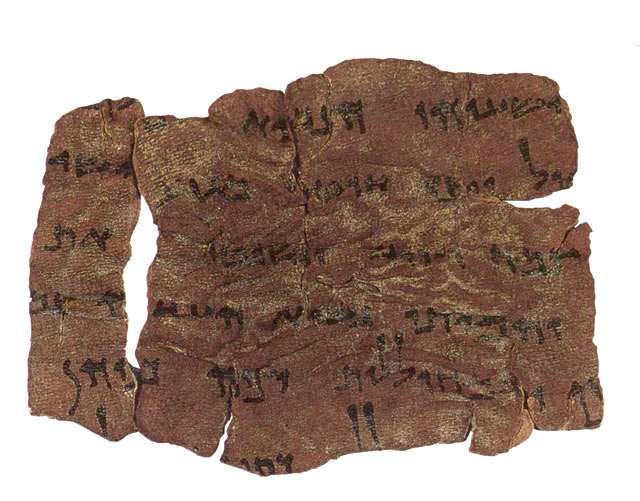
The fragment won’t clarify which reading is correct because both readings are true for different times. Isaiah 53 and Isaiah 11 aren’t contradictory prophecies but sequential ones where the suffering servant comes first and the conquering king comes second.
The Essenes expected this sequence and wrote it down in three separate texts that form one continuous narrative. The Teacher establishes the covenant and dies, then the Messiah suffers and conquers, then forty years pass before the final war where light and darkness battle to a draw until God shows up in stage seven and ends everything.
They calculated it from Daniel’s seventy weeks, saw it in Isaiah’s servant and king, and mapped it in their War Scroll with tactical precision. Then they hid the scrolls in caves while expecting the apocalypse to happen within their lifetime.
Things didn’t unfold the way they thought, at least not completely. The Teacher died, the Messiah came, forty years passed, and Jerusalem burned. But stage seven hasn’t happened yet with its promised divine intervention and the fire from heaven that consumes Gog and Magog.
Unless it has and we’re living in the new age without recognizing it, or unless the timeline is longer than they calculated, or unless the battle is spiritual rather than physical, already won on the cross and waiting for final manifestation.
The scrolls sit in museums now while fragment 4Q285 still won’t clarify its vowels. The War Scroll still describes a seventh stage that hasn’t arrived. And Christians still claim that the ambiguous Messiah of Qumran, the Teacher who dies and the King who conquers, is the same person who said he’d return to finish what he started.
The Essenes wrote Revelation before Revelation existed, described Christ’s death and return before he was born, and mapped the apocalypse with precision that shouldn’t have been possible.
That’s the mystery we’re left with today. Not whether these texts are similar to Christianity, because they’re identical to it in story, sequence, and ending. Written centuries too early by people who died before seeing any of it fulfilled.
They knew too much and saw too clearly before writing it all down and burying it in the desert. They seemed to understand these scrolls would need to survive until someone came looking for proof that the pattern was always there, waiting in Scripture, ready to be found by anyone willing to calculate the timelines and connect the prophecies.
The War Scroll promises that in stage seven, when the Sons of Light and Sons of Darkness are tied three victories each, the great hand of God will intervene and ensure total victory through divine intervention, not human achievement.
Revelation promises the same thing happens when Gog and Magog surround the camp of the saints and fire comes from heaven. Not human effort but God’s direct action settles everything.
The Essenes wrote the ending before the story began, leaving us somewhere between Acts Two and Three, waiting for stage seven, hoping the pattern holds as precisely going forward as it did looking back.
SUPPORT REAL BIBLICAL INVESTIGATION
This is the kind of deep research we love doing at Wise Wolf. But here’s the thing: we want to take this further.
We want to go on site.
Film in the caves at Qumran. Walk the Judean wilderness where the Essenes calculated the apocalypse. Document the archaeological evidence firsthand instead of just reading about it in academic journals.
That takes funding. Real documentary work in the Holy Land isn’t cheap. Equipment, travel, permits, local guides who know where the good stuff is. We’re not talking about glossy overproduced nonsense. We’re talking about actual investigative biblical documentaries that treat you like a thinking human being.
If you want to see us do this, if you want more content like this article but with footage from the actual locations, consider upgrading to a paid membership. We’re offering readers of this article a 20% discount on annual subscriptions. That’s less than the cost of one streaming service, and you’re funding real research instead of another season of whatever garbage Netflix is pushing this month.
Help us bring back the kind of biblical investigation that A&E and History Channel abandoned. The mysteries are still out there. The scrolls are still being studied. The caves are still waiting. We just need the resources to go document it properly.
Click here to support Wise Wolf’s biblical documentary work and get 20% off your first year.
This is great comprehensive coverage of the Essenes who seem to always be left out of history - probably because they complicate “the narrative”
"The Cult of Christian Fundamentalism was begun by the British East India Company's servant, Darby, which will be misused to strengthen the Zionist State of Israel with identifying with the myth of 'God's Chosen People' and by donating substantial amounts of money to what they mistakenly believe is a religious cause in the furtherance of Christianity."
John Coleman
The Committee of the 300