


Disclaimer: This thought-experiment intentionally avoids names and specifics. It’s about patterns that repeat across history - Weimar Germany, late Roman Republic, countless others. If you see a specific person or party in it, that’s your interpretation, not my intention. The warning applies to anyone who consolidates power, regardless of which side they claim to be on.
They woke up one morning and couldn’t remember when it started.
The old men in the portraits had warned them. Beware tyrants. Beware kings. The muskets and the blood and the documents signed in candlelight had meant something once. A promise written in expensive ink. Government of the people. By the people. For the people.
But that was mythology now. Bedtime stories.
First came the decades of fracture. Nobody could say exactly when the splitting began. The two great parties had always fought. That was the design. Tension and release. Push and pull. Democracy is argument made civil.
Except the arguments stopped being civil.
One party held power for nearly twenty years. You couldn’t quite remember how they actually got elected. You didn’t know a single person who voted for them in real life - yet somehow they kept winning elections. The details blurred. What mattered was what they did with that power. They spent fortunes on programs that went nowhere. Built monuments to inefficiency. They passed laws that made no sense. The kind of legislation that reads like a cognitive invalid hallucinated them during a drug binge, three thousand pages long, written by nobody, understood by nobody, signed into permanence at 3am on a Tuesday.
The people noticed.
Some of them, anyway.
They noticed the money vanishing into black holes with names like “infrastructure investment” and “security initiatives” and “strategic partnerships.” They noticed the cities crumbling while politicians gave speeches about social progress. They noticed the courts becoming circuses. The news becoming propaganda. The truth becoming negotiable.
They noticed they were angry.
They formed tribes. Red against blue. Us against them. Neighbor against neighbor. The anger felt good. It felt like purpose. Nobody stopped to ask who was writing the script. Nobody looked up to see the strings.
The kind of families whose names appear in history books. The kind of wealth that predates republics. They’d lost their crowns two and a half centuries ago. They’d been patient. They’d been very, very patient.
They owned both parties now. Different managers, same board of directors. You couldn’t see the connection unless you knew where to look. And nobody was looking. Everyone was too busy fighting each other.
Then came the hero.
He arrived like all demagogues arrive. At the exact moment of maximum desperation. When people are so exhausted by chaos they’ll accept anything that promises order. He wasn’t from the usual political class. He said so himself, constantly. An outsider. A businessman. A billionaire who’d made his fortune the same way all billionaires make their fortunes, by being smarter and meaner and more willing than everyone else.
He’d been friends with them all. Both parties. All the people who’d ruined everything. Photographs existed. Donations on public record. But he had an explanation for that too. He’d been playing the game. You had to play the game to change the game. They believed him.
His message was simple. Make the nation great again.
Great like it used to be. Great like the mythology. Back when men were free and government was small and opportunity was everywhere. Never mind that this version of history had never existed. Never mind that the past was more complicated than the slogan. The slogan was perfect. The slogan fit on a hat.
He won.
The first purge happened within a few months. Career bureaucrats found themselves terminated. Replaced by loyalists. People who’d sworn oaths to him personally. The civil service became his private staff. The agencies became his private armies.
He federalized the police. Said it was necessary. Too much crime. Too much disorder. Cities needed help. He sent soldiers in uniform down boulevards where citizens used to walk freely. The soldiers carried rifles and stood on corners and their presence was called peacekeeping.
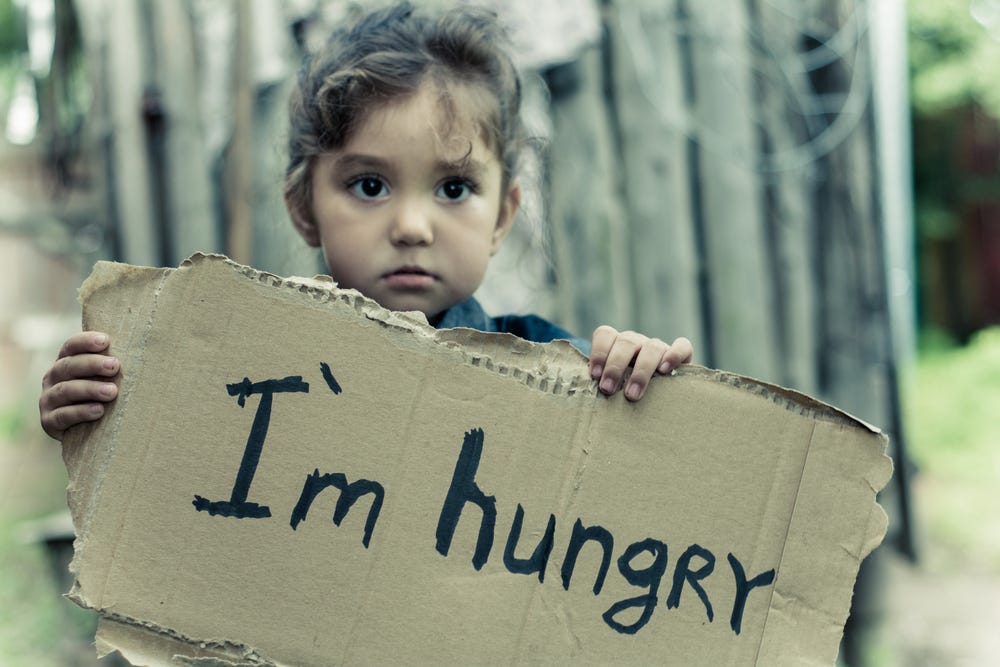
He dismantled the programs that fed the poor. Said they created dependency. Said people needed to learn ‘self-reliance’. The riots started within a month. Grocery stores burned. People died fighting over food. He declared martial law in seventeen cities. Curfews. Checkpoints. Papers, please.
The supporters cheered. Finally, someone doing something. Finally, someone with the strength to act. The weakness of the old system had been all those checks and balances. All that debate and compromise and endless paralysis. What the nation needed was efficiency. What the nation needed was a strong hand.
He said as much. In speeches. In rallies. How much easier it would be if he had absolute power. How frustrated he was with constraints. The old document, that parchment from candlelight times, it was outdated. Written by people who couldn’t imagine the complexity of modern governance. Written by people who didn’t understand what real leadership required.
His crowds roared approval.
The opposition tried to stop him. They filed lawsuits. They wrote op-eds. They organized protests. He had them arrested. Enemies of the state. Terrorists. Spreading disinformation. The new laws he’d pushed through made it legal. The new courts he’d appointed made it constitutional.
When they came for the journalists, people shrugged. Fake news had been poisoning discourse for years. Good riddance.
When they came for the professors, people applauded. Ivory tower elites out of touch with real life. About time.
When they came for the priests who preached about mercy and justice, people looked away. Religion shouldn’t be political anyway.
The constitution was suspended on a Thursday. He called it a temporary measure. Emergency powers during emergency times. The document would be restored when stability returned. Everyone knew it wouldn’t. Everyone pretended to believe it would.
Within a year he declared himself president for life. Within five years his son was named successor. Within ten years the word “president” was replaced with something older. Something more honest.
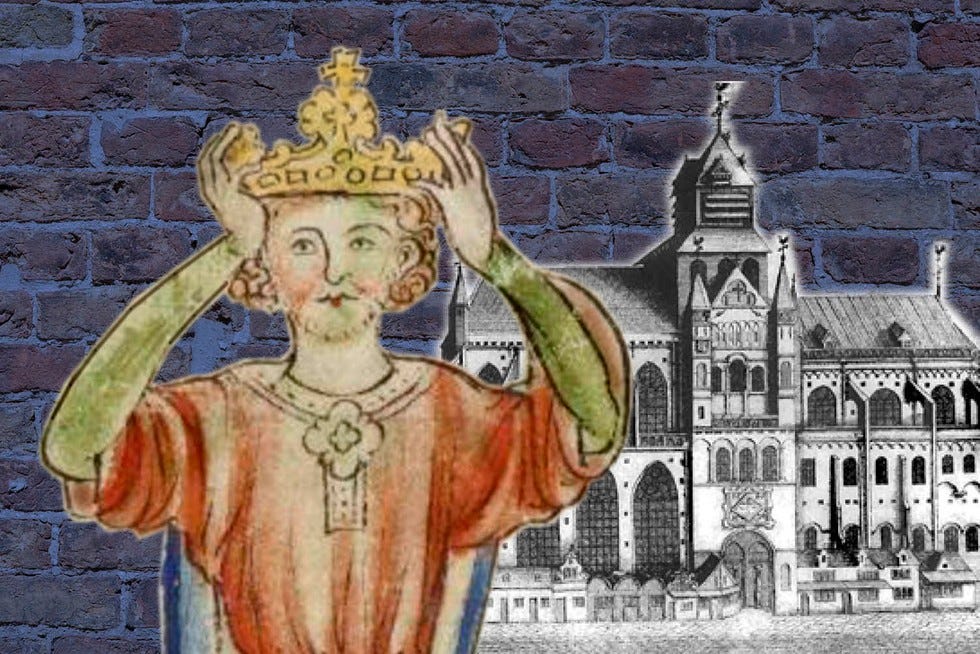
The republic died quietly. No dramatic collapse. No revolutionary uprising. Just a slow suffocation. Each new restriction justified by the last crisis. Each new crisis perfectly timed to justify the next restriction. The machinery of it was beautiful if you could see it from above. If you were one of the old families with old money who’d engineered the whole thing.
They had their crowns back. Different crowns, but crowns nonetheless. Absolute power dressed in the language of security. Monarchy wearing the mask of emergency governance.
The people worked their jobs and fed their families and kept their heads down. The ones who remembered the old promises told stories to their children. Stories about founding fathers and constitutional rights and government by consent. The children listened politely and didn’t quite believe them. That world sounded made up. Like fairy tales.
In the new order you didn’t question. You didn’t assemble. You didn’t speak against. The state was everywhere and nowhere. You never knew who was listening. You never knew which neighbor had been recruited. Which friend had become informant. The fear was constant and ambient. Like breathing.
The trials were efficient. No defense. No appeal. Justice was whatever served the state. Guilt was whatever the state declared. The intellectual who asked too many questions. The worker who organized too effectively. The artist who painted uncomfortable truths. They all disappeared into the same machinery. Processed. Erased.
God looked down from heaven and saw what they’d done to themselves. How they’d traded freedom for the promise of order. How they’d believed the liar because they were tired of truth. How they’d walked willingly into the cage because the cage was offered by someone who spoke their language.
And God wept.
Because it had all been so preventable. Because the warning signs had been everywhere. Because the old men in the portraits had written it all down. The exact playbook. The precise sequence. How republics die. How tyranny rises. How people choose slavery when slavery is packaged as strength.
The nation had lasted two hundred and fifty years. The dictatorship that replaced it would last much longer. Authoritarianism is efficient. Authoritarianism is stable. Authoritarianism doesn’t tolerate dissent.
In the underground archives, in sealed containers, the old documents waited. The declarations and constitutions and amendments. Worthless paper now. Historical curiosities. Evidence of a failed experiment.
We the people, they began.
But there was no more “we.” Only subjects. Only obedience. Only the eternal present of the surveillance state where questioning was treason and remembering was rebellion.
The tanks rolled through the capital on the anniversary of independence day. A new holiday now. Liberation Day. The day the strong leader had saved them from themselves. The crowds waved flags and cheered. Their children knew no other world.
This was the future. This was forever.
And in the forgetting, the republic became myth. In the myth, it became unreal. In the unreal, it ceased to matter.
They’d been warned. The old men had warned them.
But warnings are only useful to those who listen…
Are you familiar with the Tytler cycle of democracies? If so, you would not encourage any dependency – and especially from the federal government.
When you look at Alexander Tytler’s cycle of democracy, where spirituality is the first part of the cycle, it makes sense because belief in God gives people the courage to fight for liberty – rights given to us by God.
In Tytler’s cycle, dependency is the last stage of a democracy. That too makes sense because once people (individuals and corporations) are dependent on the government, they are dependent on the government for everything. The government that gives you everything can take everything away leading to tyranny.
It falls in line with what Alexis de Tocqueville said, “The American Republic will endure until the day Congress discovers that it can bribe the public with the public's money.”
About the same time that Sam Adams was organizing the Boston tea party and Thomas Jefferson wrote the Declaration of Independence, the 18th century professor Alexander Tytler connected the dots in forming his theory of the cycle of democracies, taking Plato’s ideas that warned why democracies never last (essentially too many voters make up an uneducated electorate).
History has shown us that no democracy lasts:
https://lizlasorte.substack.com/p/history-tells-us-that-democracies?r=76q58
And yet by some of the comments, people are not willing to look up and see the strings as you put it. They do not see the big picture at all.
We are not fighting against principalities and gov'ts. Dems or Reps. rich or poor. It is a battle against evil plain and simple. Now, evil controls a lot of the above and so it seems good to fight them. It gives us something to do and feel good about but the real issue is the evil that has crept in and been given so much control to destroy.
Some folks just aren't willing to even consider other possibilities. Complacency and denial are going to end a lot of things and people. People do love their "free" handouts. Just watch what may happen as SNAP ends in two days. Tip of the iceberg I'm afraid.