


She’s driving home from Target with bags of Snickers and Reese’s cups. Her five-year-old wants to be a Disney princess. The neighborhood route is mapped for maximum candy haul.
Mom’s got Halloween handled.
But what if she knew? What if someone told her the night she’s about to send her kids into stretches back to Babylon, through blood-soaked Celtic fire rituals, into practices that made even Romans queasy? Would she still string up the plastic skeletons? Or would she kill the porch light, queue up a movie, and keep the kids home?
The truth makes those decorated lawns look pretty thin.
When the Dead Walked Among the Living
Archaeoastronomer Anthony Aveni studies ancient rituals. His research gets funded by National Geographic and the National Science Foundation. He’s not fringe. And he says Halloween marked something specific in Babylonian times: the day the dead came back to life. The Babylonians believed the veil thinned enough for spirits to cross over.
This wasn’t harvest celebration. This was the Babylonian new year. A cosmic reset. It required appeasement.
October 31st sits at a junction point. Every culture scattered from Babel kept some version of a “day of the dead” falling in late October or early November. The Assyrians held ceremonies for departed souls during this timeframe. Egyptians floated Osiris’ coffin on water. Peruvian Incas celebrated Ayamarka, leaving food on graves. Hindu Durga festivals honored the deceased. Aboriginal Australians painted themselves as skeletons.
Different continents. Different languages. Same date. Same obsession with death.
Why?
Some scholars trace it past Babylon to the Flood itself. Frank Humphrey’s research suggests the Great Flood began in fall, mid-September to mid-November on modern calendars. Right where Halloween sits. The theory: Halloween became a twisted memorial to Flood victims. Remembrance corrupted into ritual. Death commemorated, celebrated, then worshipped.
The pattern repeats because all cultures branched from one source. Babel. The tower. The scattering. Each group carried story fragments, corrupted over generations into local customs. But the core survived. Late October meant death walked close.
The Celtic Inheritance
Enter the Druids.
Ancient Celts called it Samhain (sah-win). End of harvest. Beginning of winter. The dark half of the year. But calling it seasonal housekeeping misses everything. The Celts believed the boundary between living and dead collapsed this night. Spirits poured through.
Romans grafted their festivals onto Druidic ceremonies. They brought Pomona, goddess of fruits. Her festival fell around November 1st. Nuts and apples represented winter’s stored harvest. Bobbing for apples? Divination rituals borrowed from Roman paganism, dressed up as party games.
Druid priests taught reincarnation. “The immortality of the soul, that it passed from one body to another at death,” Ruth Kelley wrote in The Book of Halloween. October 31st, last night of their old year, the lord of death gathered all souls who died in the passing year. Those condemned to animal bodies. Those awaiting rebirth. Everyone congregated at the threshold.
The World Book Encyclopedia: “the Celts believed that the dead could walk among the living at this time.” The living could visit with them in return.
Dangerous possibilities.
Some spirits came back hungry. Others angry. Most just wanted chaos. Waning sun and approaching winter darkness made malevolent entities stronger. They rejoiced in dying light. Played nasty tricks. Encyclopedia Britannica notes Halloween “was the time to placate the supernatural powers controlling the processes of nature.”
Placate. Appease. Buy off. That’s where “trick or treat” originates. Not from cute neighborhood traditions. From terror. People set out food and shelter to avoid supernatural retaliation. Insufficient treats meant the spirits tricked you. And their tricks weren’t harmless. Crop failure. Livestock death. Children vanishing. The kind that ended bloodlines.
Families left offerings. Built bonfires to ward off evil. Wore costumes to disguise themselves as spirits so real entities would pass them by.
Survival strategy in a worldview where October 31st genuinely threatened existence.
The Druid Priests and the Wicker Man
Learned pagans saw opportunity. Druid priests claimed they could control these spirits. Bend them to human will. Gain power over both dead and living.
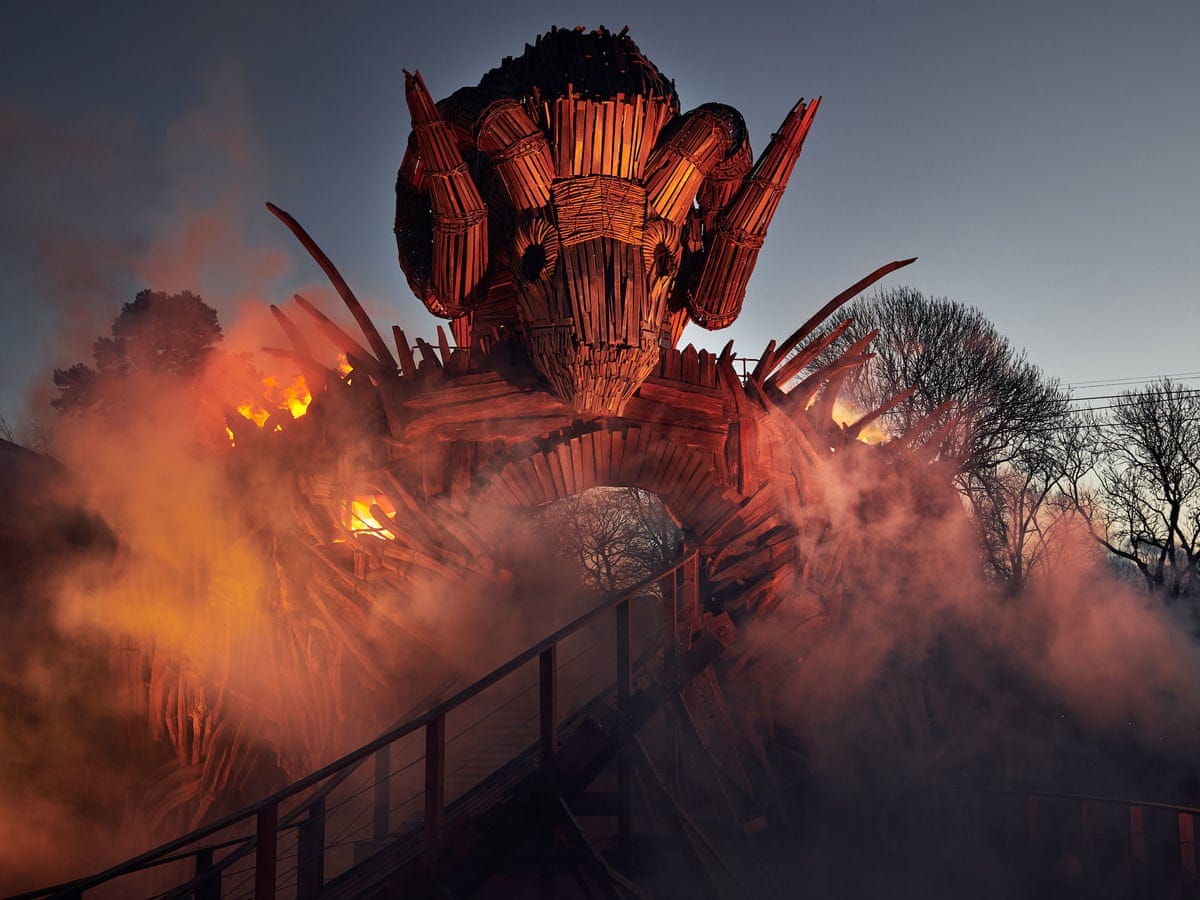
Julius Caesar chronicled Celtic customs. He described the Wicker Man. Massive effigies woven from branches, packed with living humans. Criminals first when available. Then prisoners of war. Then, when desperation or ambition ran high, innocents. The structures burned. Screams rose with smoke. Priests promised the gods were pleased.
Human sacrifice wasn’t aberration. It was protocol. Maximum offering generated maximum power. Younger victims, more innocent in the gods’ eyes, greater spiritual return. Children passed through fire to Baal. To Molech. To the sun god by whatever name the culture used.
The Bible rails against it repeatedly. Deuteronomy 18 forbids consulting ghosts, spirits, calling up the dead. Jeremiah 32:35 condemns causing sons and daughters to “pass through the fire unto Molech.” Not hypothetical warnings. Responses to widespread practices saturating the ancient world.
Etymology reveals purpose. Tammuz, one name for the Babylonian sun-god’s representative, breaks down: “tam” (to make perfect) and “muz” (fire). To make perfect by fire. Purification through immolation. Pagans genuinely believed burning their children elevated victims to higher spiritual states. That “he who approached the fire would receive light from divinity” and “through divine fire all the stains produced by generations could be purged away.”
Twisted logic. Real corpses.
The Cycle of Nimrod
Here’s where it connects back to Babylon.
Semiramis, Babylonian queen, sold the ancient world a story. Her husband Nimrod died. But through sun god power, he was reborn. Resurrected. Made divine. This happened around spring, what became Easter. Nimrod returned to earth. Temporary stay granted.
‘Gods’ can’t remain in mortal realms forever.
Halloween marks the other end of that cycle. When Nimrod, deified as Tammuz, had to return to the underworld. Back through the veil. Back to darkness and death. The natural world mirrored it. Daylight shortened. Plants withered. Animals prepared for winter’s killing cold. Everything pointed toward death.
The story comforted pagans. Yes, Nimrod descended. But he’d return. The cycle continued. Reincarnation guaranteed. Death wasn’t final for gods or humans who followed proper rituals. Spring would come. Easter would celebrate his return. Halloween acknowledged his departure.
Two holidays. One story. Seasonal changes as proof.
Romans called him Vulcan. Greeks knew him as Kronos. Phoenicians said Saturn. Different names. Same entity. Same Babylonian origin. Halloween sat at the dark pivot of his annual journey.
The Wild Hunt and Wandering Spirits
European folklore added layers. The Wild Hunt thundered across October skies. Spectral cavalry of the damned, led by various figures depending on region. Odin in Norse territories. Herne the Hunter in Britain. Sometimes the Devil himself. The Hunt swept up witnesses. Anyone caught outside when horns sounded risked being carried off, body and soul.
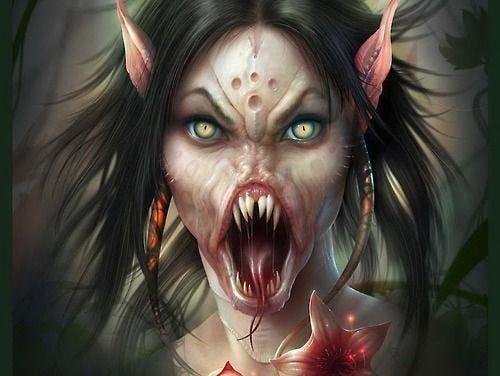
Fairies grew bold on Samhain. Not the Disney variety. The dangerous kind. Child-stealers who left changelings. Family-cursers. Tribute-demanders. Plague-deliverers. Parents dressed kids in disguises hoping the Fair Folk wouldn’t recognize them as human. Wouldn’t drag them to hollow hills where mortal children rarely returned from.
Divination peaked this night. The thinned veil made fortune-telling reliable. Mirrors showed future spouses. Apple peels tossed over shoulders formed initials. Nuts thrown in fires revealed compatibility. Games with serious purposes. If the dead could cross over, surely they could whisper what’s coming.
The church tried to co-opt it. Around 100 CE, Emperor Hadrian built a temple called the Pantheon to honor pagan goddess Cybele and other Roman gods. Romans used this temple to honor their dead. Later, the professing Christian Roman Church took it over. Did they destroy its pagan abominations? No. They adopted Rome’s ways. Same temple. Different prayers. Now to Virgin Mary and proclaimed saints. May 13 became a special prayer day for souls suffering in “purgatory.” All Saints Day.
In 834 CE, the date shifted. November 1st. Name changed to All Hallow, meaning “all holy.” Add “e’en” (evening), you get Halloween. “Holy evening.” No accident the Roman church picked November 1st. They knew what they were doing. Taking established pagan festival, slapping on Christian label. Night before became All Hallows Eve. Christian veneer over pagan foundations.
Medieval practices cemented traditions. Wealthy churches during Middle Ages copied ancient Greek and Roman religious processions, parading relics of patron saints through streets. Poorer parishes couldn’t afford real relics. So they used caricatures. Fake representations. People who weren’t playing holy figures dressed as angels or devils to join the procession.
This evolved into door-to-door. Not for candy initially. Soul cakes. Food offerings. The living fed costumed figures representing the dead. Same principle as leaving offerings for spirits on Samhain. Rebranded. Modern “trick or treat” continues these customs pulled from paganism, given Christian names, then secularized again. Layer upon layer of the same core practice.
The Allhallows parade around churchyards became a motley, twisted carnival. Direct ancestor of modern Halloween parades and costume traditions. Degenerate customs labeled with Christian names.
Even Protestants kept it going. Partly because Martin Luther chose Halloween night in 1517 to post his ninety-five theses on castle church doors at Wittenberg. He picked that date knowing townspeople would be out for the holiday. Protestant Reformation launched on a pagan festival night. The irony cuts deep.
But old practices persisted. Costumes remained. The dead still demanded attention. You can baptize a holiday’s name without changing its nature.
Blood Rituals and Modern Echoes
Some traditions didn’t translate into candy corn.
Serious practitioners, those deep in occult arts, never stopped observing Halloween properly. Modern Wiccan and pagan groups mark Samhain as high holy day. A time when magic works better. When the veil genuinely thins. When communication with the other side becomes possible.
Reports surface every year. Missing children spiking around Halloween. Occult symbols in parks. Animal mutilations. Dismissed as conspiracy theory by most. Statistical anomalies remain. Anyone who’s studied historical Halloween practices knows the dark arts didn’t vanish. They went underground. Waited. Continued.
Ancient Druids understood power dynamics. Halloween offered access to forces most people couldn’t comprehend. Blood opened doors. Especially innocent blood. The practice survived because it worked in the practitioner’s worldview. Whether forces responding were demonic or psychological hardly mattered. Effects manifested either way.
Leviticus 18:24-30 warns against defiling yourself with practices of nations God cast out. Deuteronomy 12:31 calls them abominations. Second Corinthians 6:17 commands separation from unclean things. Commands, not suggestions. These practices weren’t neutral. They connected to genuine spiritual realities God wanted His people avoiding.
What We Celebrate Now
How did ancient practices cross the Atlantic?
Straightforward answer. “The American celebration rests upon Scottish and Irish folk customs which can be traced in direct line from pre-Christian times,” Ralph Linton wrote in Halloween Through Twenty Centuries. Direct line. No breaks. No Christian purification. Straight from pagan Druids to American suburbs.
Irish and Scottish immigrants brought Samhain with them. Brought the costumes. The divination games. Fear of wandering spirits. Appeasement rituals. Everything transplanted intact. Americans didn’t invent Halloween. They inherited it. Pre-packaged paganism from people who still remembered what the night meant.
Fast forward to 2025.
Spirit Halloween stores occupy dead malls. Parents spend hundreds on costumes. Kids load pillowcases with processed sugar. Everyone agrees it’s harmless fun. Nostalgia. Community building. Childhood magic.
Roots remain.
Carve a jack-o’-lantern? You’re making Irish turnip lanterns that warded off evil spirits. Wear a costume? You’re disguising yourself so the dead can’t recognize you. Trick-or-treat? You’re performing the appeasement ritual that bought protection from supernatural mischief. Bob for apples? You’re engaging in Druidic divination practices.
Packaging changed. Essence didn’t.
Anthony Aveni notes Halloween evolved “from the serious to the ridiculous,” becoming “a highly sanitized salute to consumerism.” The anarchy spreads across entire months now. But sanitized doesn’t mean disconnected. Original meaning got buried under marketing. Spiritual architecture remains, even if most participants don’t recognize it.
Uncomfortable question: does ignorance provide protection? If a ritual connects to specific spiritual forces, does not knowing its history sever that connection? Or does participation count regardless of intent?
Different worldviews answer differently.
The Pattern Across Holidays
Halloween isn’t unique.
Christmas trees trace to Germanic winter solstice practices. Evergreens represented eternal life, housed spirits. Easter’s name comes from Ishtar, Semiramis herself, the Babylonian queen whose story infected worldwide cultures. Eggs and rabbits are fertility symbols tied to spring renewal rituals. Valentine’s Day connects to Roman Lupercalia. Patterns repeat.
Pagan foundations. Christian names. Cultural acceptance. Most people don’t know. Don’t care. Holidays feel traditional, American, normal. Questioning them seems like killjoy behavior. Why ruin the magic?
Because magic originally meant something specific. Something counter to biblical teaching. Something that opened doors meant to stay closed.
Alexander Hislop’s “The Two Babylons” traced these connections in 1858. His methodology gets criticized by mainstream scholars. But the core observation stands. Dig into Western holiday origins, you keep hitting Babylon. Different routes. Same destination. The system Nimrod and Semiramis established spread when God scattered humanity at Babel. Each culture carried fragments. Over millennia, fragments got polished into traditions, then holidays, then cultural touchstones nobody questions.
Babylonian cult survived empire after empire. Found homes in Pergamos. In Rome. Chief priests wore fish-shaped miters honoring Dagon. Took the title Pontifex Maximus. When Christianity became Rome’s official religion, many pagan practices absorbed into church tradition. The dates. The symbols. The rituals. Merged. Syncretized. Rebranded.
Easter isn’t resurrection morning. It’s Ishtar’s holy day. Christmas isn’t Christ’s birth. It’s winter solstice. Halloween isn’t harvest celebration. It’s the day of the dead. Babylon’s fingerprints cover the calendar.
This isn’t about ruining your October. It’s about informed choices.
Every holiday we celebrate without understanding its roots is a potential open door. Not because costumes are demonic or candy is cursed. But because the spiritual world works on principles most modern people don’t acknowledge. Participation in rituals designed to honor false gods, contact the dead, or appease spirits has consequences. Whether you believe in those entities or not.
The Bible’s repeated warnings exist for reasons. God didn’t prohibit these practices arbitrarily. He knew where they led. What they opened. Who responded when humans performed these rituals. Consequences weren’t theoretical. They were generational.
So research. Dig past surface explanations. Look at what cultures worldwide did on these dates. Notice the patterns. Ask why similar practices emerged across continents among peoples who supposedly had no contact. Question why Christian holidays consistently overlap with major pagan observances.
You’ll find Babylon everywhere. In Christmas wreaths. Easter sunrise services. Halloween jack-o’-lanterns. May Day celebrations. New Year festivities. Same occult foundation supporting different cultural expressions. Mystery Babylon, as Revelation calls it, never fell. It adapted. Infiltrated. Normalized.
That’s why you need to investigate the occult origins of nearly every holy day we celebrate. Not to become paranoid. Not to isolate from culture. But to recognize what you’re participating in. To make conscious decisions instead of following traditions nobody questions anymore.
Because pagan witchcraft straight out of Babylon dominates our holidays.
And most people have no idea.
I so agree with you, I had no clue, until I was taught by an amazing true Bible teaching Pastor. Since I learned of all the pagan roots, I stopped all holidaysm except we celebrate Thanksgiving, and I will buy gifts for family at Christmas, and I do put out a Nativity set. I know that Jesus was born in September, the Harvest, not in December. I see no harm in doing that. 90% of the population is asleep to these truths. We do not turn on the porch lights for halloween, we want nothing to do with it, never did like it, always made me feel uneasy.
When the kids come around take this opportunity. Instead of sweets, give them gospel tracks, gospel DVDs for the parents to watch, bible story books, etc. gently teach them that celebrating darkness is dangerous. and hope they come around your place the following year.